
Plymouth County Warrant Checks
A Plymouth County warrant check begins at Iowa Courts Online. Search with exact spellings. The public docket can surface a case, a citation, a failure-to-appear event, a court order, a payment, or a disposition. Still, it is a case history, not a stand-alone warrant registry. Match the county, case type, and party details before trusting any hit. A blank result proves nothing. Newer entries, older files, juvenile matters, and confidential records may never reach the public screen. The Iowa Courts Online entry screen is the state's official starting point for a Plymouth County docket search.
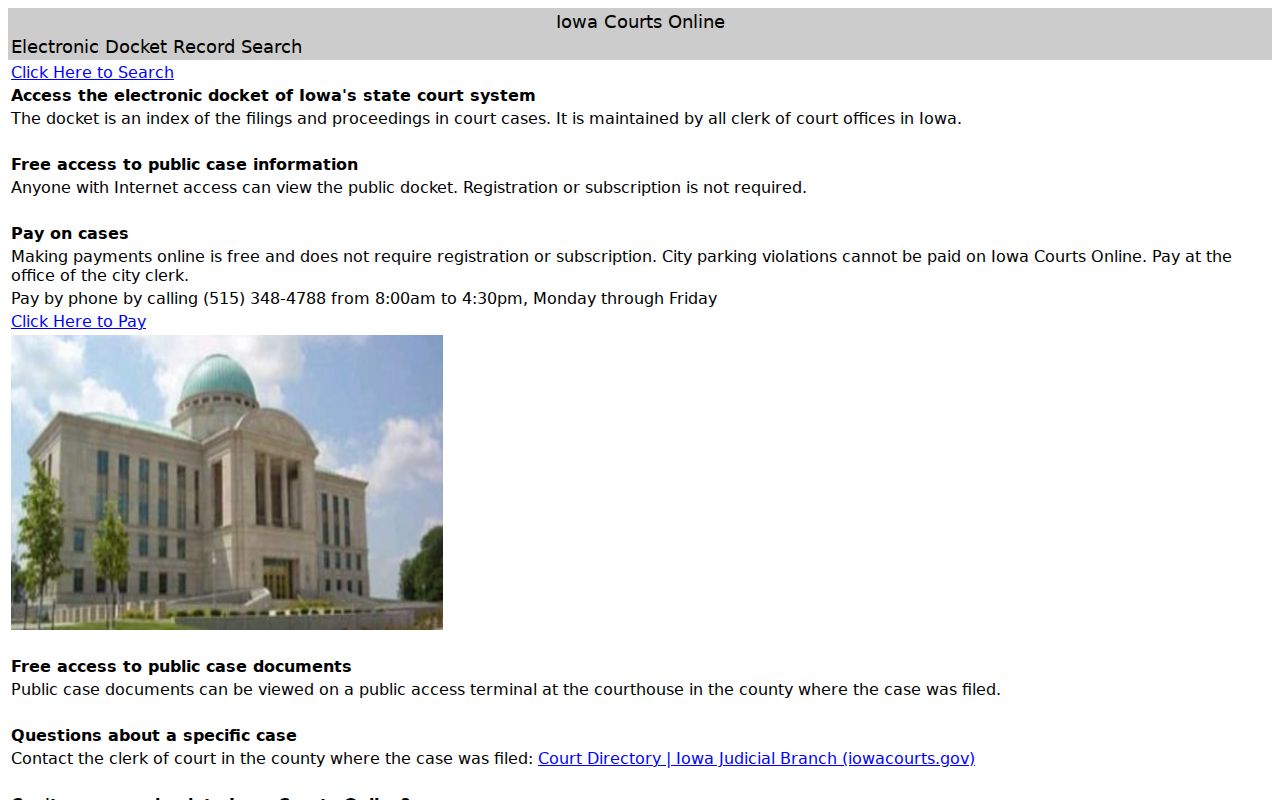
Public screens exclude sealed, confidential, and law-enforcement-only warrant data. For anything in Plymouth County, the clerk and the agency channels remain necessary.
- Search by name, case ID, or citation number.
- Call the Plymouth Clerk of District Court at 712-546-4215.
- Call the sheriff at 712-546-8191 or the relevant city police route.
- Request a defined record by phone, mail, email, or in person.
- Ask counsel and the court about appearance, bond, recall, or another authorized step.
Plymouth County Court Search Fields
The official case-search frame shows why a precise query works best.
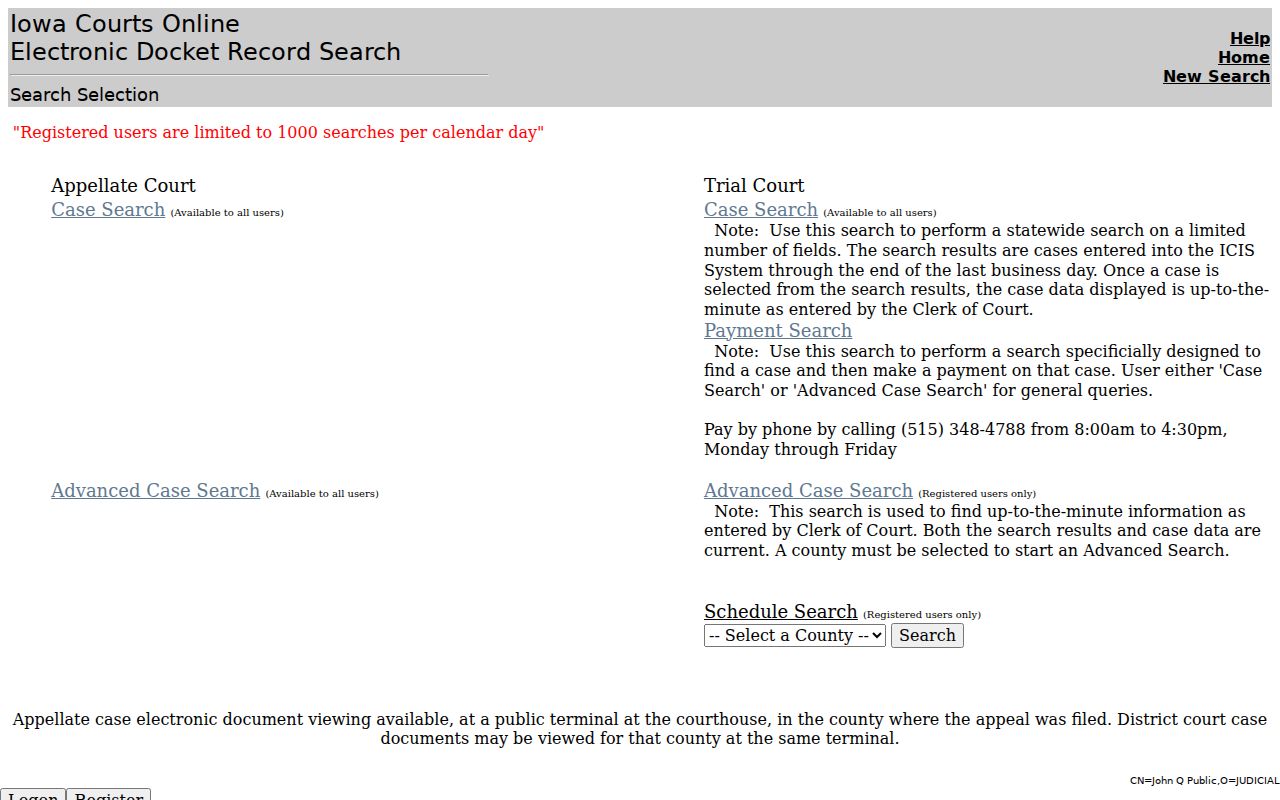
The screen starts a docket search. It cannot certify an executable warrant.
| Field | Use | Limit |
|---|---|---|
| Case ID | Match a known case | Exact format needed |
| Party name | Find a public case | Similar names may mislead |
| Citation number | Trace a filed citation | A citation is not a warrant |
| County/type | Narrow the results | Restricted matters stay hidden |
Warrants in Plymouth County: The Main Types
Judicial orders in Iowa differ by purpose. Every Plymouth County matter stays inside the unified Iowa District Court, including work assigned to district associate judges and magistrates.
| Type | How it arises | Who issues |
|---|---|---|
| Arrest warrant | A complaint and probable-cause finding | Judge or magistrate |
| Failure-to-appear warrant | A willfully missed appearance after citation | Judicial officer |
| Search warrant | Probable cause supports a search | Judicial officer |
| Bench warrant | Plain shorthand for a court arrest order | Judge or magistrate |
Iowa Code section 805.5 says "arrest warrant for failure to appear." Bench warrant is not a separate Plymouth County database term.
Plymouth County’s Unified Court Route
Plymouth County runs no separate municipal-court docket. Felony, misdemeanor, traffic, scheduled-violation, county-infraction, and municipal-infraction records all flow through Iowa District Court. A city citation can become a district-court record. The District 3 Plymouth page names the local clerk and gives the access details.
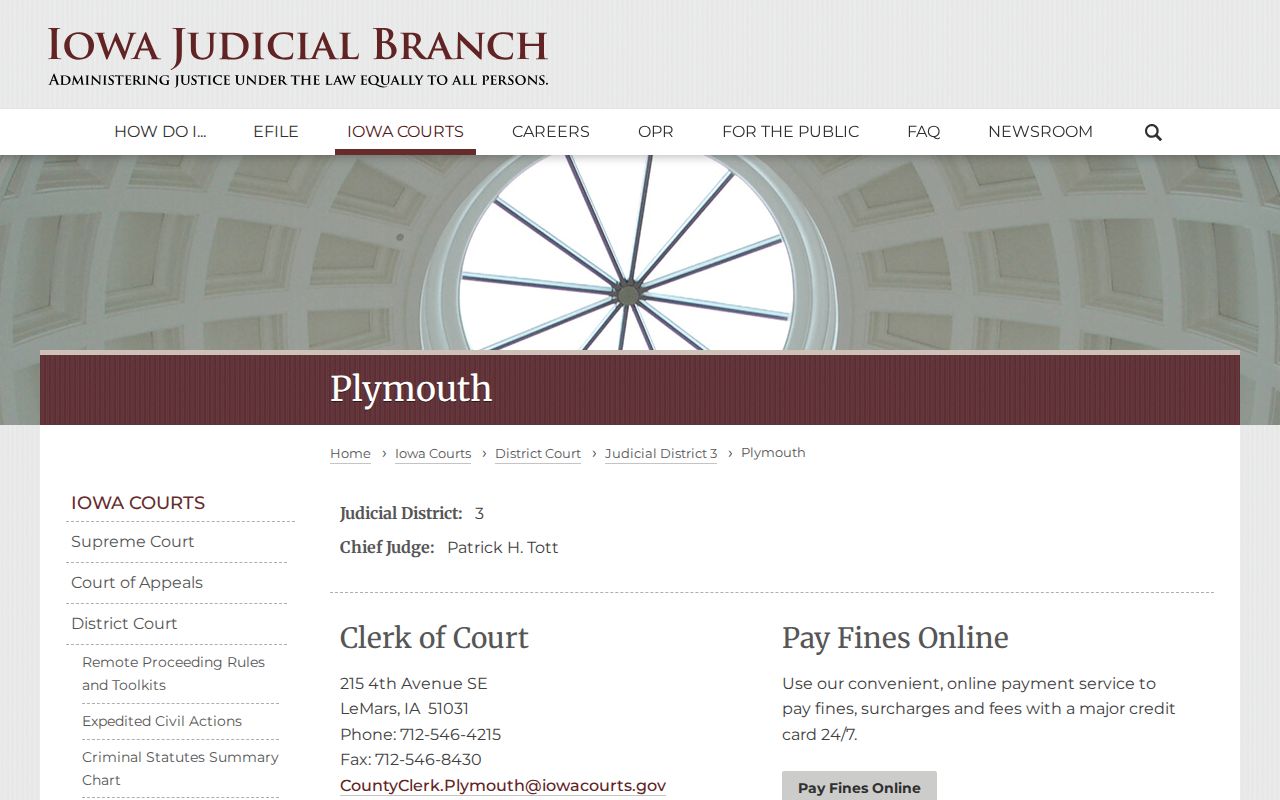
This route avoids a common mistake. A city office answers ordinance questions, but it never controls the court warrant docket in Plymouth County.
Plymouth County Warrant Records: What They Show
A public case history can shape one focused question. In Plymouth County, read it as a timeline: the original charge first, then the warrant, service, payment, and recall events that follow.
| Case ID | A court identifier, represented here without a person record as PLYM-CR-CASE |
|---|---|
| Parties | The State of Iowa and defendant or respondent |
| Charge | Offense, statute, count, and level when public |
| Warrant event | Issue, FTA, service, return, recall, or quash |
| Bond | Amount, type, or review status when public |
| Access | Redacted, sealed, confidential, or not online |
Recall means the court withdraws its order. Quash means it nullifies one, and a payment alone proves neither in Plymouth County.
Plymouth County Payment Search Limits
The court payment search can locate debt by case or citation details.
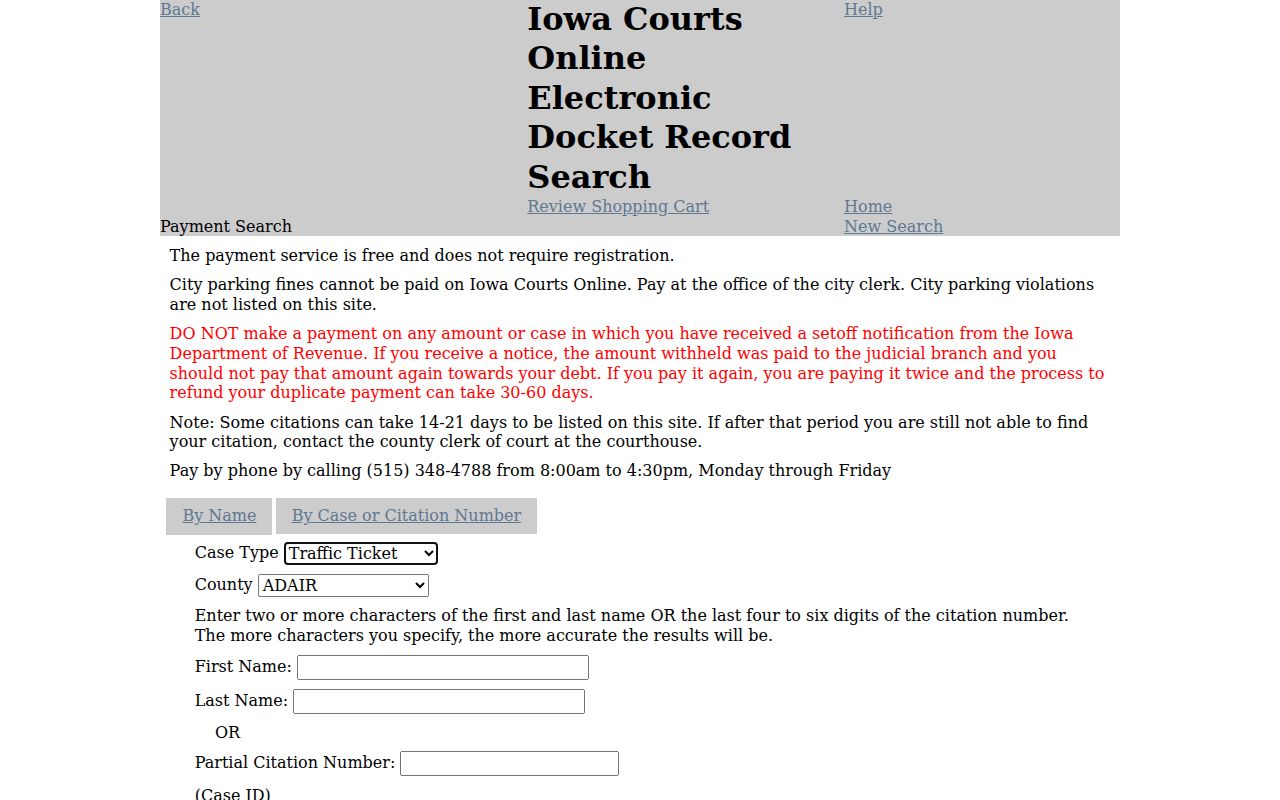
A Plymouth County balance is not a warrant cleared. Keep your receipt, and ask when the docket will update. The official fine page lists every authorized payment route.
Ask whether an appearance, motion, or recall order is also required. Court debt and warrant status are separate facts in Plymouth County.
Plymouth County Warrants: Who Issues, Who Serves
A judge or magistrate issues the warrant. The Clerk of District Court keeps the docket and routes orders. The sheriff, city police, or another authorized peace officer may execute one. The path is complaint or citation → judicial review → warrant → clerk routing → service or court recall.
Plymouth Clerk of District Court
215 4th Avenue SE, third floor, Le Mars, IA 51031
712-546-4215
Monday through Friday, 8:00 a.m. to 5:00 p.m.
Plymouth County Sheriff
451 14th Avenue NE, Le Mars, IA 51031
712-546-8191
The published main line operates 24 hours.
Only the issuing court can recall or quash its order. No other Plymouth County office holds that power.
Plymouth County Restricted Warrant Network
The IOWA System links authorized criminal-justice agencies.
This is not a public statewide lookup. Officers may see material that a public screen never shows, even in Plymouth County.
- Active
- An order on which an officer may still act, subject to official confirmation.
- Failure to appear
- Missing a required court appearance.
- Return
- The officer’s record after service or attempted service.
- Confidential
- An access limit, not proof that no record exists.
Handling a Plymouth County Warrant
Confirm the case number, issuing court, charge, bond, and present status first. An attorney can weigh a negotiated appearance, a motion, voluntary surrender, or another response. Clerks in Plymouth County explain process. They cannot give legal advice.
Confirm before appearing. Ask the court and sheriff about the authorized next step, booking location, bond, and hearing.
Iowa’s uniform bond schedule has starting points and exceptions.
Plymouth County posts no amnesty day, roundup, safe-surrender page, or automatic recall form. Use the ordinary court route.
Plymouth County Warrant Scam Checks
The Iowa court scam warning addresses fake fine, jury, and warrant demands.
Hang up on a suspect call. Then dial a published court or sheriff number yourself in Plymouth County. Do not trust caller ID, text links, gift-card demands, or claims that instant payment prevents arrest. Even a genuine payment needs a docket check when a warrant may exist.
Plymouth County Most Wanted Limits
The sheriff's Most Wanted page is curated, not a full active-warrant export for Plymouth County. It even warns that details can be wrong. Le Mars posts a county-wide Crime Stoppers program.
Crime Stoppers takes tips; it cannot clear your own warrant. And absence from Most Wanted in Plymouth County never proves clearance.
Warrant Record Access Under Iowa Law
Iowa Code chapter 22 backs inspection of public records. Fees stay reasonable, and exceptions apply. Court rules govern court files too. A Plymouth County request should name the case or citation number, the document type, a date range, and whether you seek inspection or copies.
Key limits: juvenile files are protected, some filings are restricted, and search-warrant material can remain confidential before execution and return.
The court request policy says staff need not do open-ended research.
Ask for a defined item, not a roster of people. Plymouth County fees can cover paper, postage, and staff time.
Plymouth County City Court Handoffs
Le Mars makes the split plain. Its police department takes parking fines, while other traffic fines go to the county clerk in Plymouth County. The Le Mars payment FAQ documents that route.
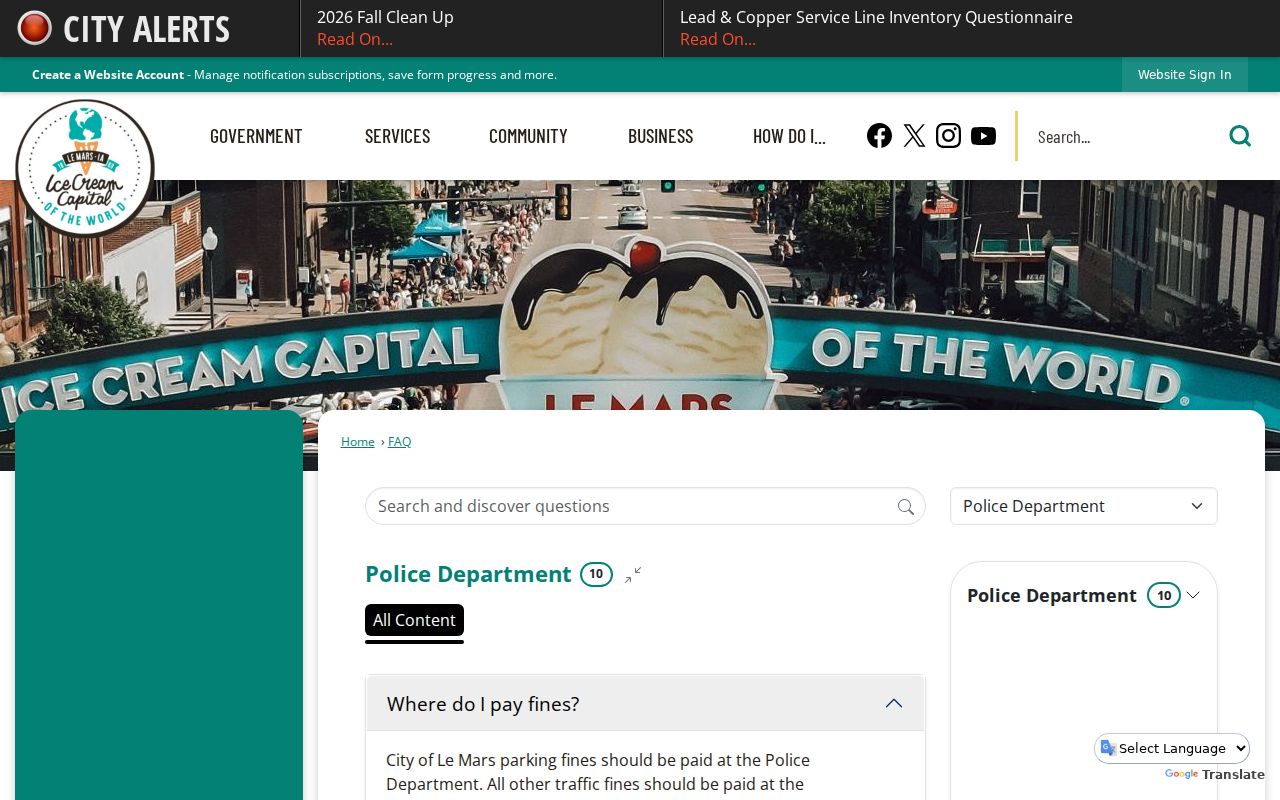
Paying a parking fine does not recall a court warrant. The Le Mars Police page gives that agency's contact for Plymouth County drivers.
Read the citation, find its court, and confirm any failure-to-appear event with the district clerk in Plymouth County.
Plymouth County Smaller-City Routes
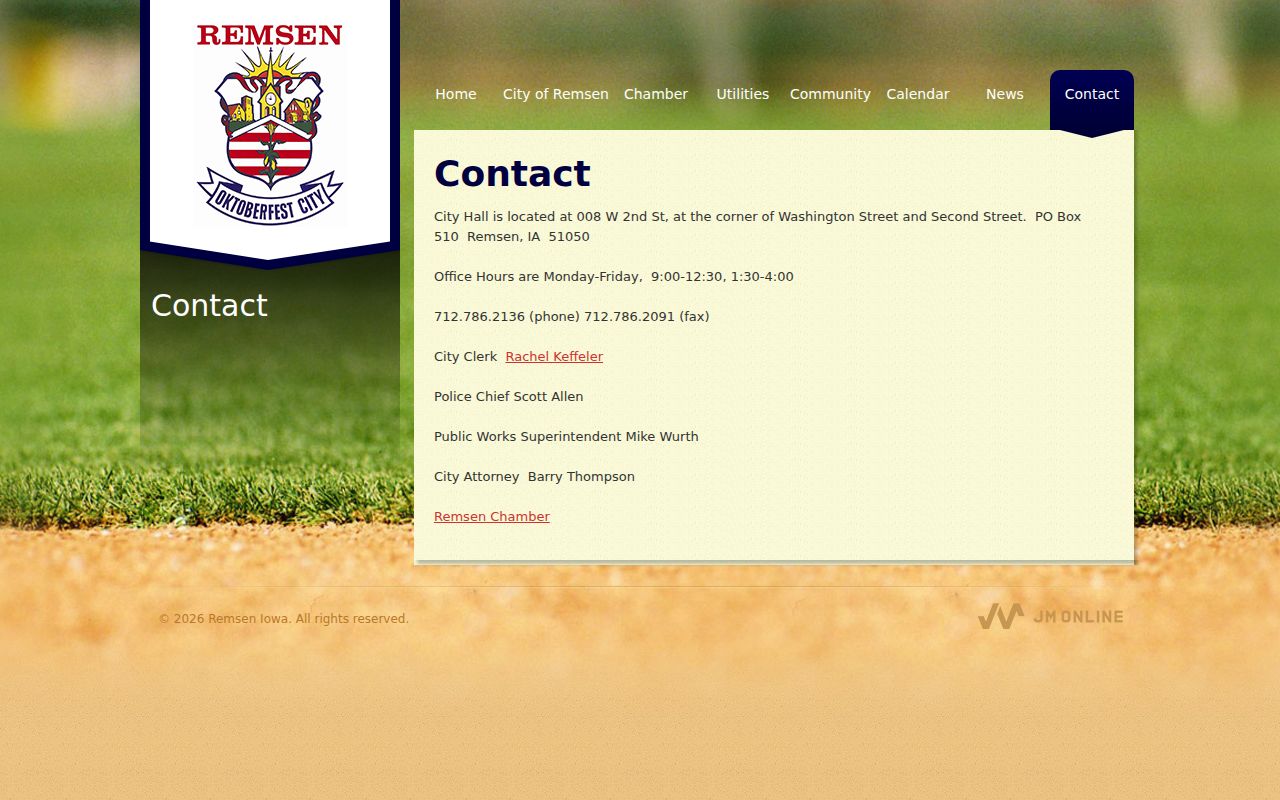
Remsen, Akron, Kingsley, and Hinton post no public city warrant database. Local contacts handle police and city questions, while the district clerk holds the Plymouth County court docket. Remsen Police lists the sheriff dispatch route.

Remsen City Hall is an administrative contact, not the docket custodian.
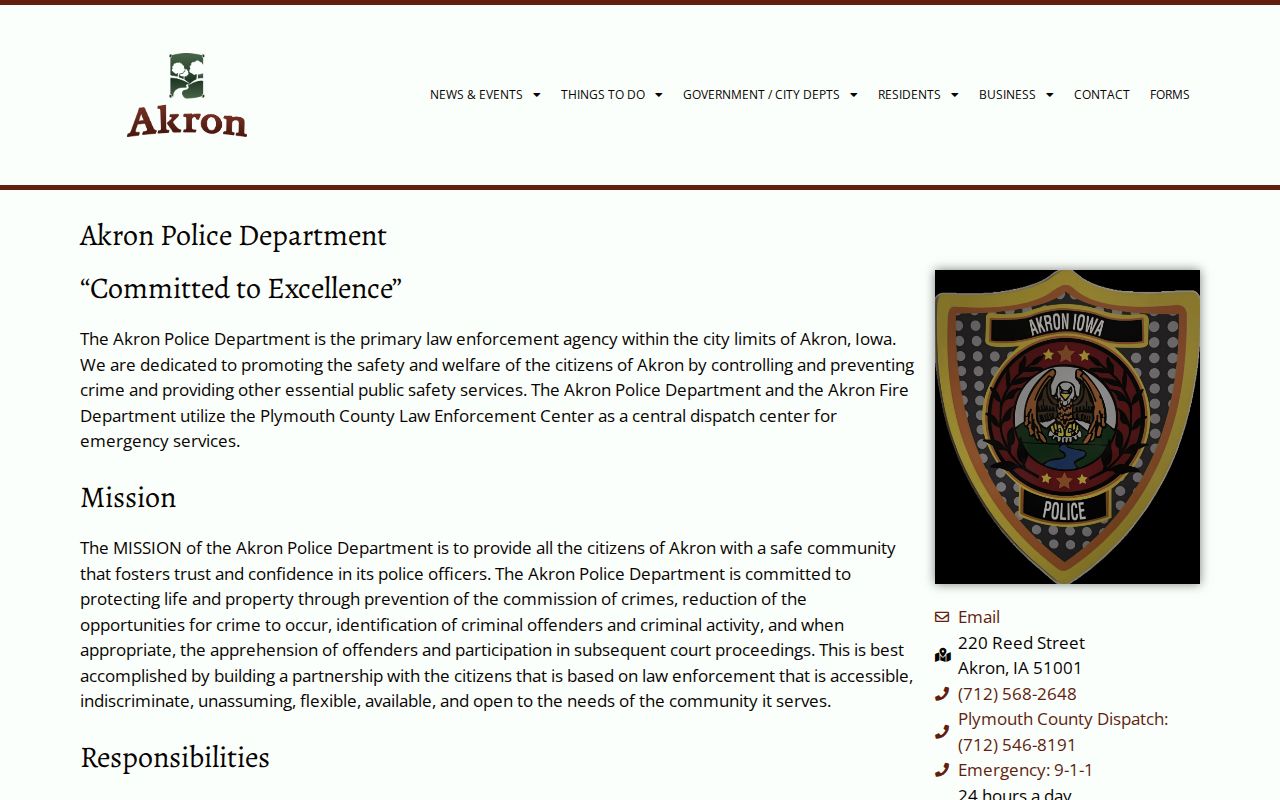
Akron Police publishes direct and dispatch routes.
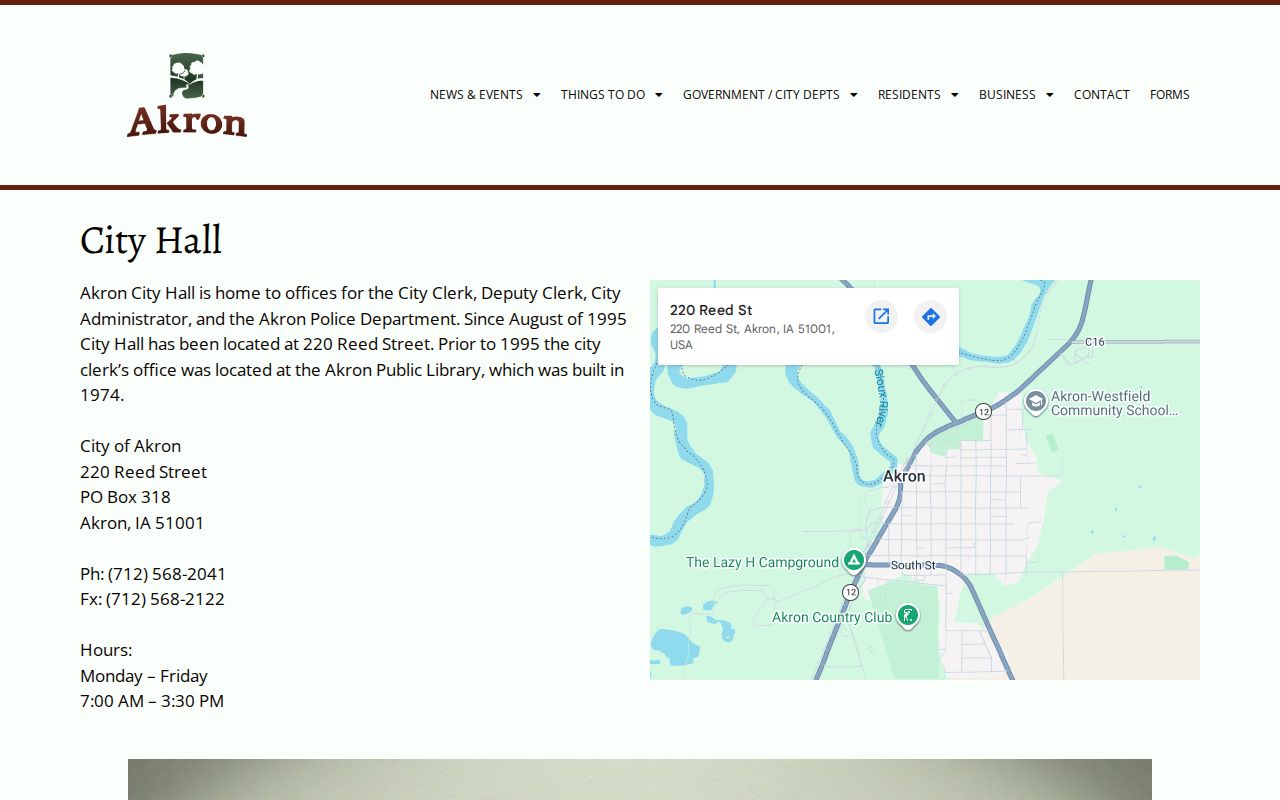
Akron City Hall handles city administration.
Kingsley public services separates city clerk and police-dispatch contacts.
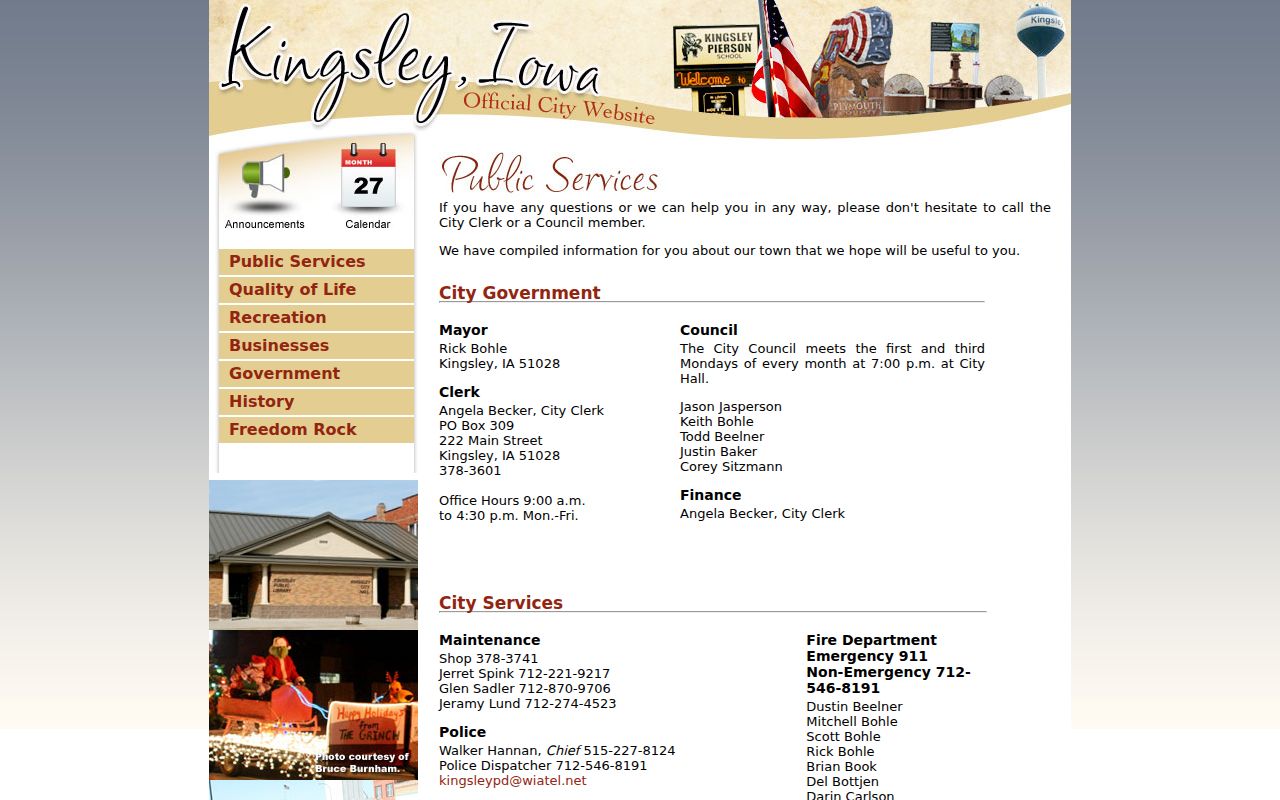
Its ordinance page is context, not a warrant search.
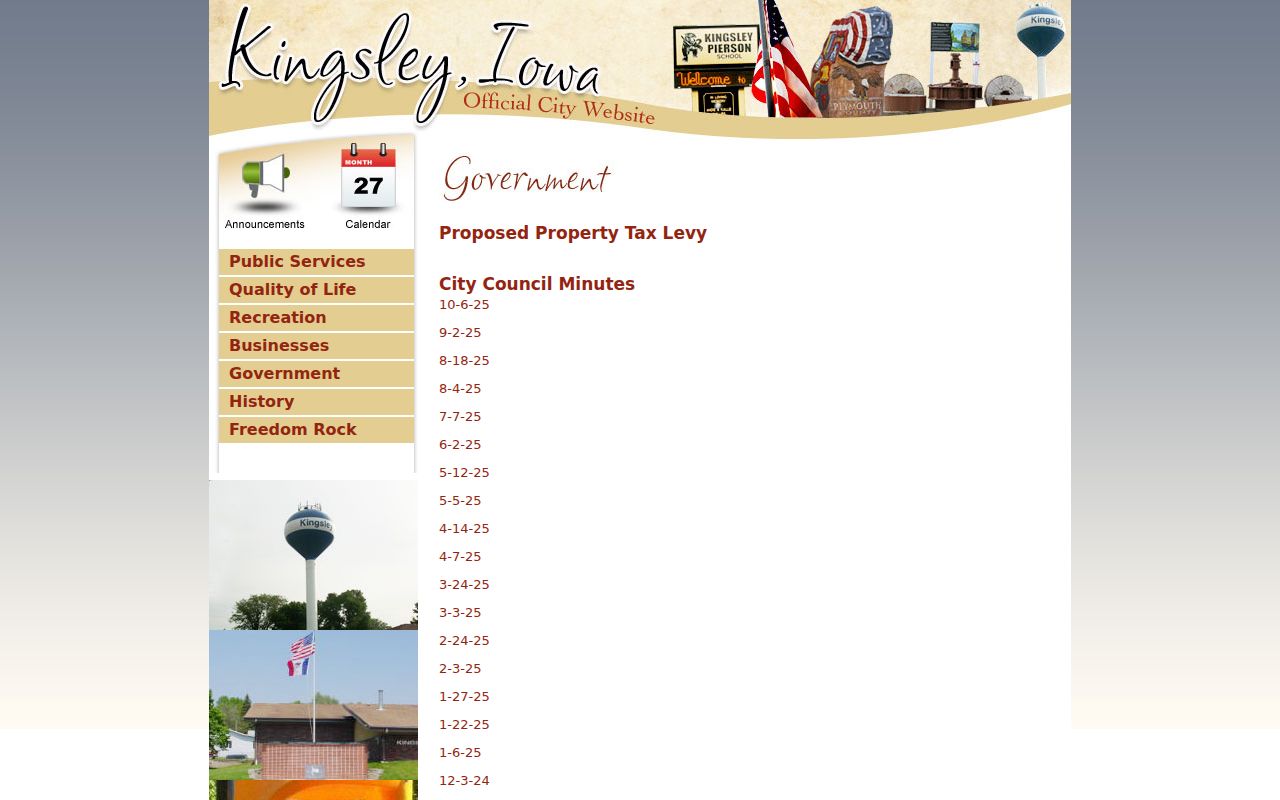
Dispatch, city administration, and court custody remain distinct.
City Warrant Records in Plymouth County
The five largest places appear in 2020 Census order. The official place table supports that ranking for Plymouth County.
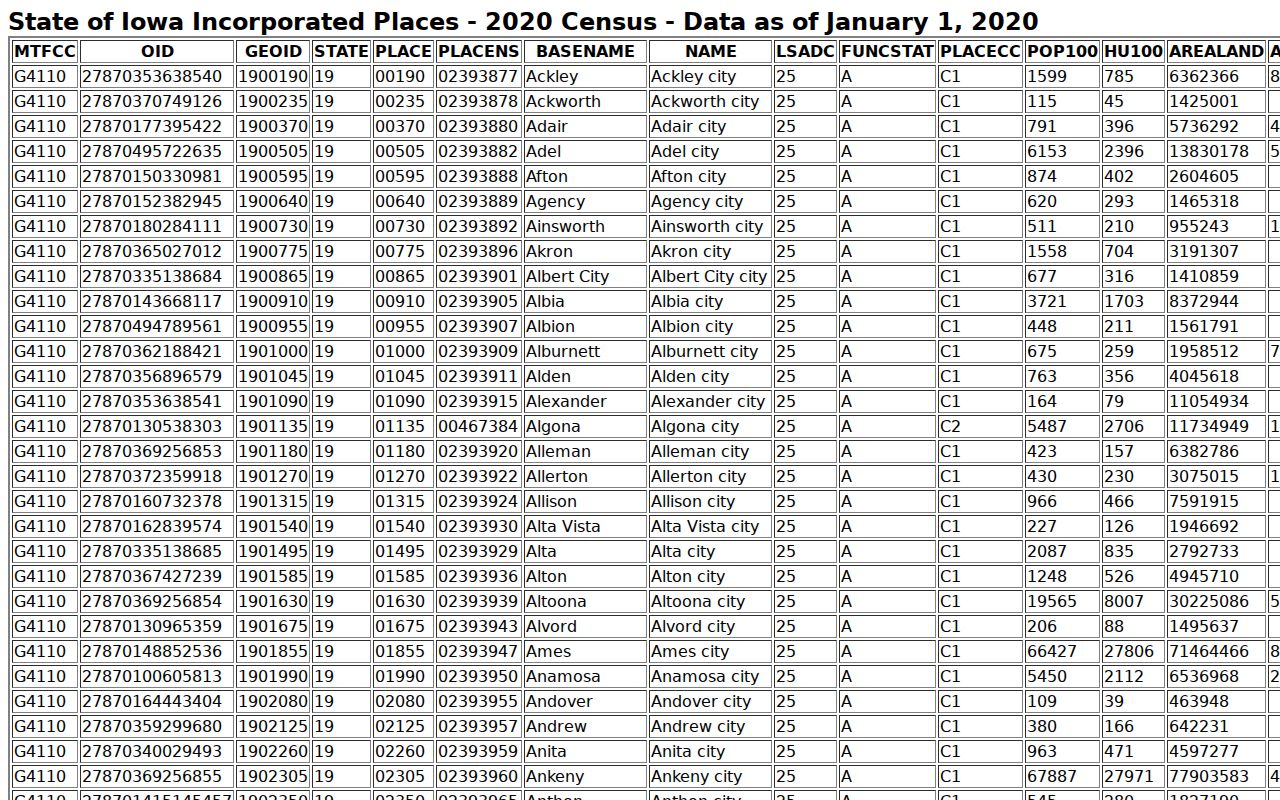
Each card leads to its local police and court route.
Plymouth County Warrant Access Context
Plymouth County's official site reports 25,698 residents in 2020, eleven communities, and about 864 square miles. Both the courthouse and the sheriff's law-enforcement campus sit in Le Mars. Distance matters. A resident of a smaller community might call local police or county dispatch first. The state court docket works from home. Before the drive to the county seat, call the clerk and confirm what your Plymouth County warrant check still needs.
Plymouth County keeps its records in two places at once. The courthouse itself is the 1900 red-sandstone landmark, and its files now stretch across a public electronic docket plus paper you can still read in person. For an older case, a confusing one, or something the screen will not show, the third-floor clerk counter is the stop that matters. Call before you go. Bring the case or citation number, and follow the courthouse security rules when you arrive. Remember that a planned trip to the clerk is not a guaranteed same-day surrender or hearing; the judge, not the counter, sets what happens next. Enforcement shows up in other channels. The sheriff posts news releases at intervals, and inmate rosters list people after an arrest, but neither one adds up to a full Plymouth County warrant search, and the county publishes no warrant-count dashboard. The smarter approach is to divide the question by authority. The issuing court controls the judicial order. The clerk controls the public docket route. Peace officers handle enforcement and safety. Ask each Plymouth County office the narrow question it actually answers, and skip sharing personal details in any public forum. In practice the two systems work together: the online docket finds a public case and its history, the clerk handles a docket question or a record that will not display, and the sheriff or local police route enforcement concerns. No single screen, call, or news archive lists every Plymouth County warrant.